ANDALUCIAPREMIUM
Request an offer
Phosphate rockSteelPrecious metalsTimberPetroleum products GuidesFAQHow we workAbout usContact Request an offer
ENESDE
Phosphate rock
  1. Home
  2. Sectors
  3. Phosphate rock
Sector · Phosphate rock

Phosphate rock as a raw material for the phosphate industry

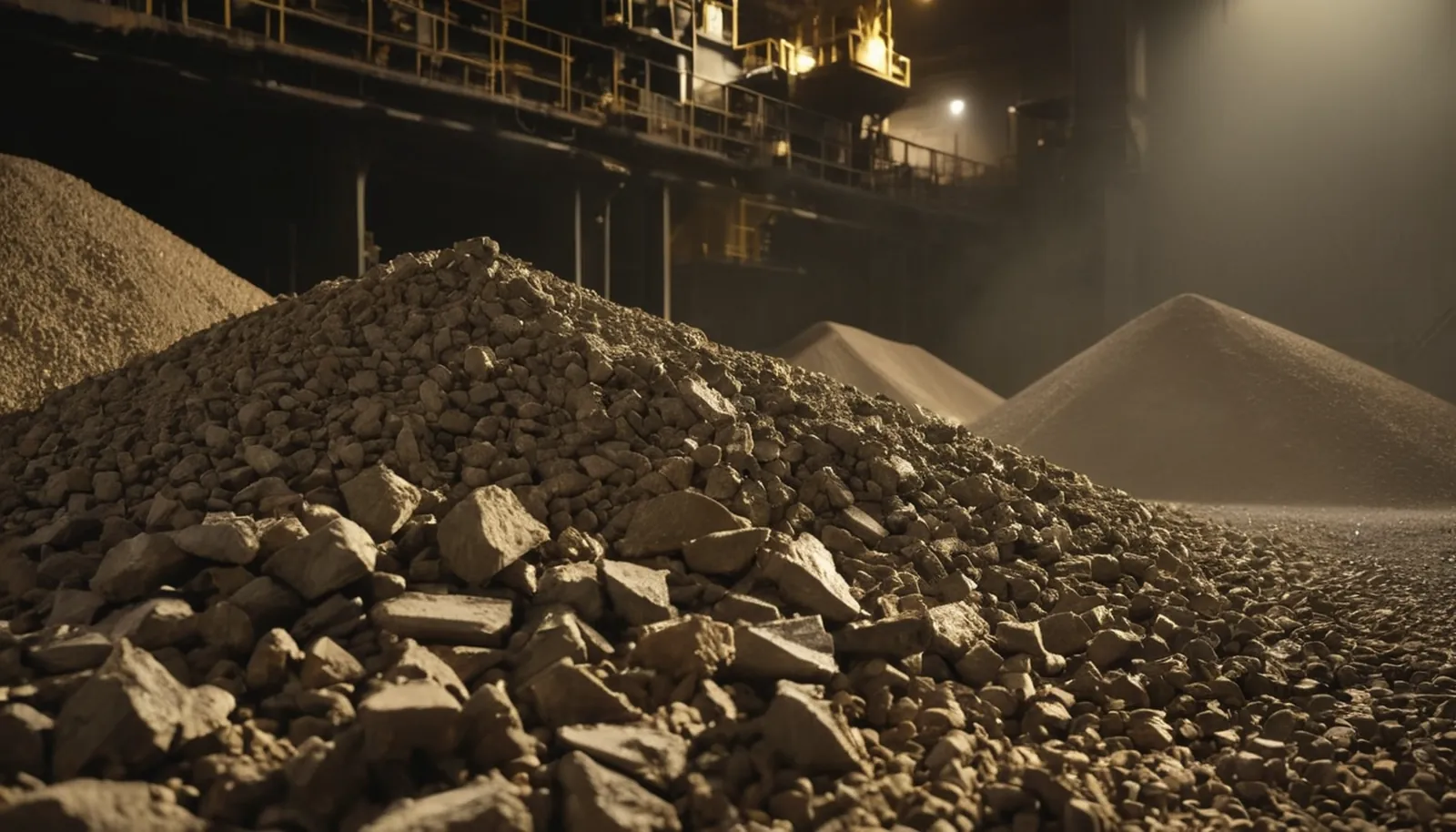
We broker phosphate rock (phosphorite) between mines, trading houses and industrial buyers that process it into phosphoric acid and other phosphate products, shipped as dry bulk in bulk carriers.

In brief

Grades are defined by P₂O₅ content, typically 28–30%, 30–32% or 32–34% P₂O₅, often also stated as BPL.

Typical origins are North Africa and the Middle East, for example Morocco, Jordan, Egypt, Algeria and Saudi Arabia.

Phosphate rock is on the EU list of critical raw materials under the Critical Raw Materials Act, Regulation (EU) 2024/1252.

How do you buy phosphate rock in bulk?

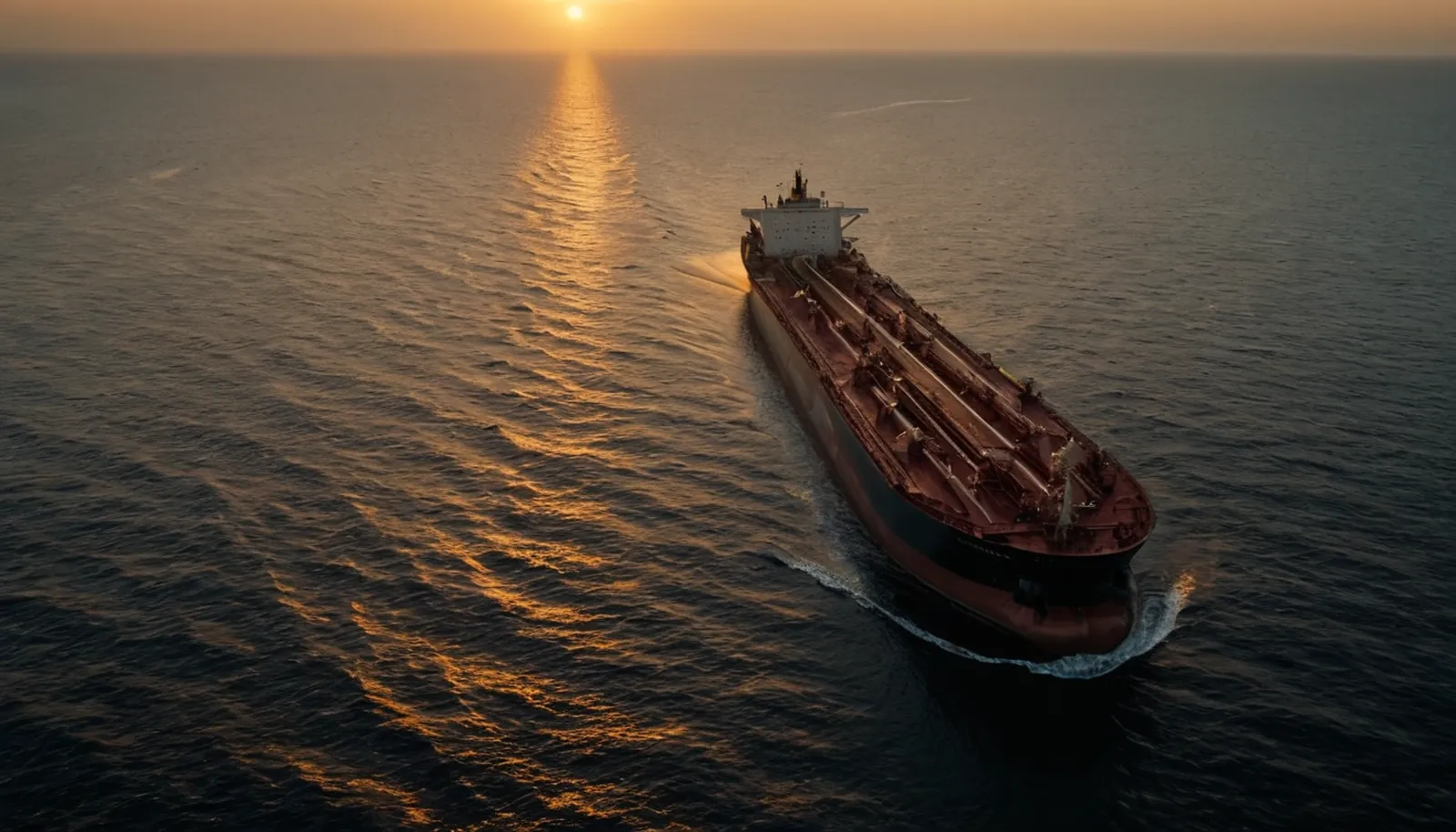
Phosphate rock is bought by contract between companies, usually in vessel lots of several thousand tonnes shipped as dry bulk in bulk carriers. The buyer defines grade, quantity, port and delivery window; FOB at the load port and CFR to the destination port are the most common terms.

Before contracting, we check the supplier’s capability and documentation, agree Incoterms® 2020, sampling and inspection, and accompany the transaction up to discharge. Quality and quantity at loading are confirmed by an independent inspection company and laboratory analysis.
Which parameters define a phosphate rock grade?

The key value is the P₂O₅ content, often also expressed as BPL (bone phosphate of lime, roughly 2.185 × P₂O₅). Further parameters are CaO, moisture, particle size, Fe₂O₃+Al₂O₃, MgO, chloride and cadmium.

Iron, aluminium and magnesium oxides affect the phosphoric acid process, chloride affects corrosion in the plant, and cadmium matters for products later placed on the EU market. Limits and the analysis method are fixed in the contract and confirmed in the certificate of analysis.

Why is phosphate rock a critical raw material for the EU?

The EU covers most of its phosphate rock demand through imports. It is therefore on the list of critical raw materials in the Critical Raw Materials Act, Regulation (EU) 2024/1252.

For EU buyers, reliable sources and diversified supply routes are a commercial factor. Background on the regulation: Regulation (EU) 2024/1252 on EUR-Lex.

Last updated: October 2026This page provides general information about trade practice. It is not legal, tax or investment advice.

Phosphate rock

Typical products

ProductSpecification
Phosphate rock 28–30% P₂O₅approx. 61–66% BPL, for phosphoric acid plants designed for lower grades
Phosphate rock 30–32% P₂O₅approx. 66–70% BPL, common grade for wet-process phosphoric acid
Phosphate rock 32–34% P₂O₅approx. 70–74% BPL, higher-grade or beneficiated rock
Low-cadmium phosphate rockCd content stated in the certificate of analysis, relevant for EU buyers
Grade to buyer specificationP₂O₅, CaO, moisture, particle size, Fe₂O₃+Al₂O₃, MgO, chloride and Cd as agreed
FAQ

Frequently asked questions

Commodity trading questions, answered

What is the minimum quantity for a phosphate rock order?

Phosphate rock is usually traded in bulk vessel lots of several thousand tonnes. Tell us your requirement, grade and discharge port and we will check what is realistic.

What is the difference between P₂O₅ and BPL?

Both describe the phosphate content. P₂O₅ is the phosphorus pentoxide content in per cent; BPL (bone phosphate of lime) states it as tricalcium phosphate. As a rule of thumb, BPL ≈ 2.185 × P₂O₅, so 30% P₂O₅ corresponds to about 66% BPL.

Why does the cadmium content matter?

Cadmium occurs naturally in phosphate rock and largely passes into the phosphate products made from it. EU rules limit cadmium in certain phosphate products, so EU buyers often specify a maximum Cd value in the contract.

What is the HS code for phosphate rock?

Natural calcium phosphates, including phosphate rock, are classified under HS heading 2510 in the Harmonized System, split into unground (2510.10) and ground (2510.20). National tariff lines add further digits, so the exact code should be confirmed for the import country.

How is phosphate rock shipped?

Phosphate rock is shipped as dry bulk in bulk carriers, usually loaded at dedicated export terminals. Loading rate, discharge terms and sampling are agreed in the contract.

Which phosphate rock grades are traded?

Common grades are 28–30%, 30–32% and 32–34% P₂O₅. The suitable grade depends on the buyer’s process, for example the design of its phosphoric acid plant.

What is BPL in phosphate rock?

BPL stands for bone phosphate of lime and expresses the phosphate content as tricalcium phosphate. As a rule of thumb, BPL ≈ 2.185 × P₂O₅.

Which impurities matter in phosphate rock?

Typical limits cover Fe₂O₃+Al₂O₃, MgO, chloride and cadmium, along with moisture and particle size. They influence processing, plant corrosion and the quality of the end products, and are confirmed by laboratory analysis.

Is phosphate rock a critical raw material in the EU?

Yes. Phosphate rock is on the EU list of critical raw materials under the Critical Raw Materials Act, Regulation (EU) 2024/1252.

Where does phosphate rock come from?

Large deposits are mined in North Africa and the Middle East, for example in Morocco, Jordan, Egypt, Algeria and Saudi Arabia. Origin, parties and payment routes are checked against current sanctions rules before any offer.

What determines the price of phosphate rock per ton?

The price depends on grade and impurity profile, quantity, origin, the Incoterms® rule and freight, and the market situation at the time. Every price is therefore quoted per transaction.

Guides

Related guides

All guides

Contact

Do you have a requirement or an offer?

Tell us the product, specification, quantity, delivery window and destination port. We will reply personally with the next steps.

Request an offer
Request an offer