
ANDALUCIAPREMIUM
Request an offer
FertilizersSteelPrecious metalsTimberPetroleum products GuidesFAQHow we workAbout usContact Request an offer
ENESDE
  1. Home
  2. Guides
  3. Guide · Steel
Guide · Steel

Stainless steel supplier guide: grades, standards and certificates

Stainless steel is bought by grade, standard, form and finish. Here is what buyers should specify and check, from 304 and 316L to EN 10088 and the mill certificate.

Last updated: October 20264 min readAndalucia Premium

In brief

Stainless steel contains at least 10.5% chromium, which forms a protective surface layer.

Grades such as 304 (1.4301) and 316L (1.4404) are specified under EN 10088 or ASTM standards.

An EN 10204 3.1 certificate links every delivered batch to its chemical and mechanical test results.

What should you look for in a stainless steel supplier?

A reliable stainless steel supplier can document grade, standard and origin for every batch, provide EN 10204 3.1 certificates and accept independent inspection. Verification of the company and realistic delivery times are just as important.

Stainless products can be requested through our steel sector; availability is checked per enquiry. As a broker we verify the supplier and coordinate specification, inspection and documents, but do not hold stock ourselves.

  • Mill or stockholder with traceable origin
  • Certificates that match heat numbers on the material
  • Clear specification of grade, standard, dimensions, tolerances and finish
  • Bank-secured payment and agreed inspection
What is stainless steel?

Stainless steel is steel with at least 10.5% chromium. The chromium forms a thin passive layer on the surface that protects the material against corrosion.

Depending on alloying elements such as nickel and molybdenum and on the microstructure, stainless steels are grouped into austenitic, ferritic, martensitic and duplex grades. The choice depends on corrosion resistance, strength, formability and weldability required.

What is the difference between 304 and 316L stainless steel?

316L contains molybdenum, which improves resistance to pitting corrosion, especially in chloride environments such as seawater. 304 is the general-purpose grade; the “L” stands for low carbon, which benefits weldability.

Common nameEN material numberTypical use
3041.4301General purpose, food equipment, architecture
304L1.4307Welded constructions
316L1.4404Chemical, marine and pharmaceutical applications
4301.4016Ferritic grade for interior and appliance use
2205 (duplex)1.4462High strength and corrosion resistance

What is EN 10088?

EN 10088 is the European standard series for stainless steels. Part 1 lists the grades and their chemical composition, further parts cover technical delivery conditions for products such as sheet, strip, bars and sections.

Contracts usually name the grade by its EN material number or name together with the relevant part of EN 10088. In international trade, ASTM standards such as ASTM A240 for plate, sheet and strip are also common. The standard to be applied should always be fixed in the contract.

Which stainless steel product forms and finishes are available?

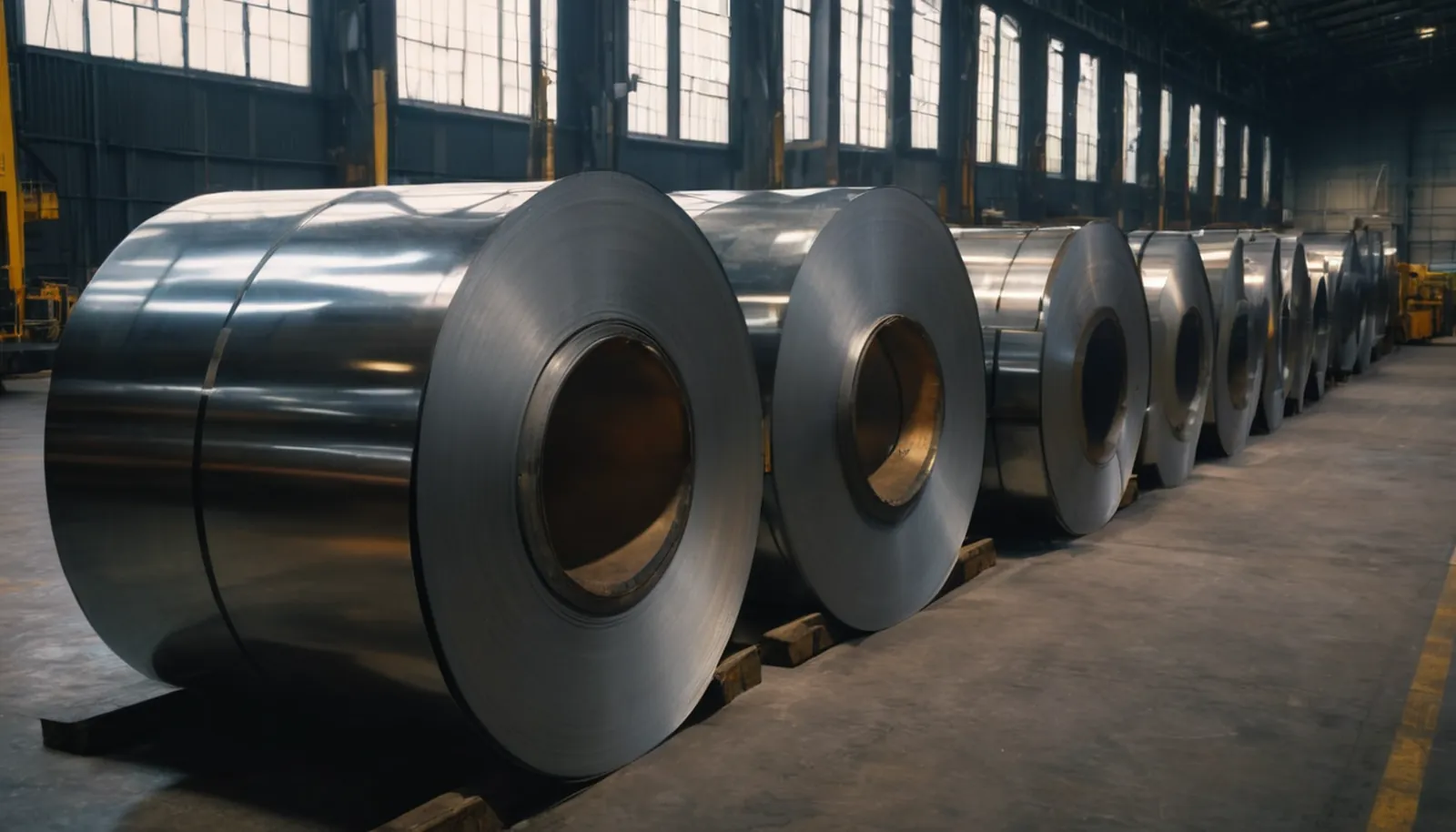
Stainless steel is traded as coils, sheets, plates, bars, tubes and pipes, wire and sections. Surface finishes range from hot-rolled and pickled to cold-rolled finishes such as 2B and bright annealed (BA), and polished or brushed surfaces.

  • Flat products: hot-rolled and cold-rolled coils, sheets and plates.
  • Long products: round, flat and hexagonal bars, angles and channels.
  • Tubular products: welded and seamless tubes and pipes.
  • Finish: to be specified, because it affects appearance, cleanability and price.

What is an EN 10204 3.1 certificate for stainless steel?

It is an inspection certificate issued by the manufacturer’s inspection department, independent of production, confirming the chemical analysis and mechanical properties of the delivered batch.

The certificate refers to the heat number marked on the material, so each piece can be traced to its test results. Where projects require it, a type 3.2 certificate is agreed, which additionally involves an independent inspector or the purchaser’s representative.

How can a buyer verify stainless steel quality?

By comparing certificates with the markings on the material, by independent inspection before shipment and, where needed, by positive material identification (PMI) with portable analysers.

  1. Check that heat numbers on the material match the certificate.
  2. Have dimensions, tolerances, finish and packaging inspected.
  3. Use PMI testing to confirm the alloy, for example to distinguish 304 from 316L.
  4. Agree in the contract what happens if results deviate.

Which trade rules apply to stainless steel imports into the EU?

Stainless steel products are within the scope of CBAM, and some products and origins are subject to EU trade defence measures such as safeguard quotas or anti-dumping duties. The current rules must be checked per product and origin.

Origin should therefore be documented by the supplier and confirmed in the shipping documents. This is general information, not legal advice.

Last updated: October 2026This page provides general information about trade practice. It is not legal, tax or investment advice.

FAQ

Frequently asked questions

Commodity trading questions, answered

Is stainless steel magnetic?

Austenitic grades such as 304 and 316L are essentially non-magnetic in the annealed condition but can become slightly magnetic after cold working. Ferritic and martensitic grades are magnetic.

What does 2B finish mean?

2B is a common cold-rolled finish: cold-rolled, heat-treated, pickled and skin-passed, giving a smooth, slightly reflective surface.

What is the difference between 316 and 316L?

316L has a lower maximum carbon content than 316, which reduces the risk of corrosion along weld seams. Many products are certified for both grades at once.

Do you hold stainless steel in stock?

No. As a broker we do not hold stock; stainless products can be requested through our steel sector and availability is checked per enquiry.

Which information do you need for a stainless steel enquiry?

Grade and standard, product form, dimensions and tolerances, finish, quantity, packaging, delivery location and required certificates, ideally EN 10204 3.1 or 3.2.

Sectors

What we broker

Contact

Do you have a requirement or an offer?

Tell us the product, specification, quantity, delivery window and destination port. We will reply personally with the next steps.

Request an offer
Request an offer