ANDALUCIAPREMIUM
Request an offer
FertilizersSteelPrecious metalsTimberPetroleum products GuidesFAQHow we workAbout usContact Request an offer
ENESDE
Timber
  1. Home
  2. Sectors
  3. Timber
Sector · Timber

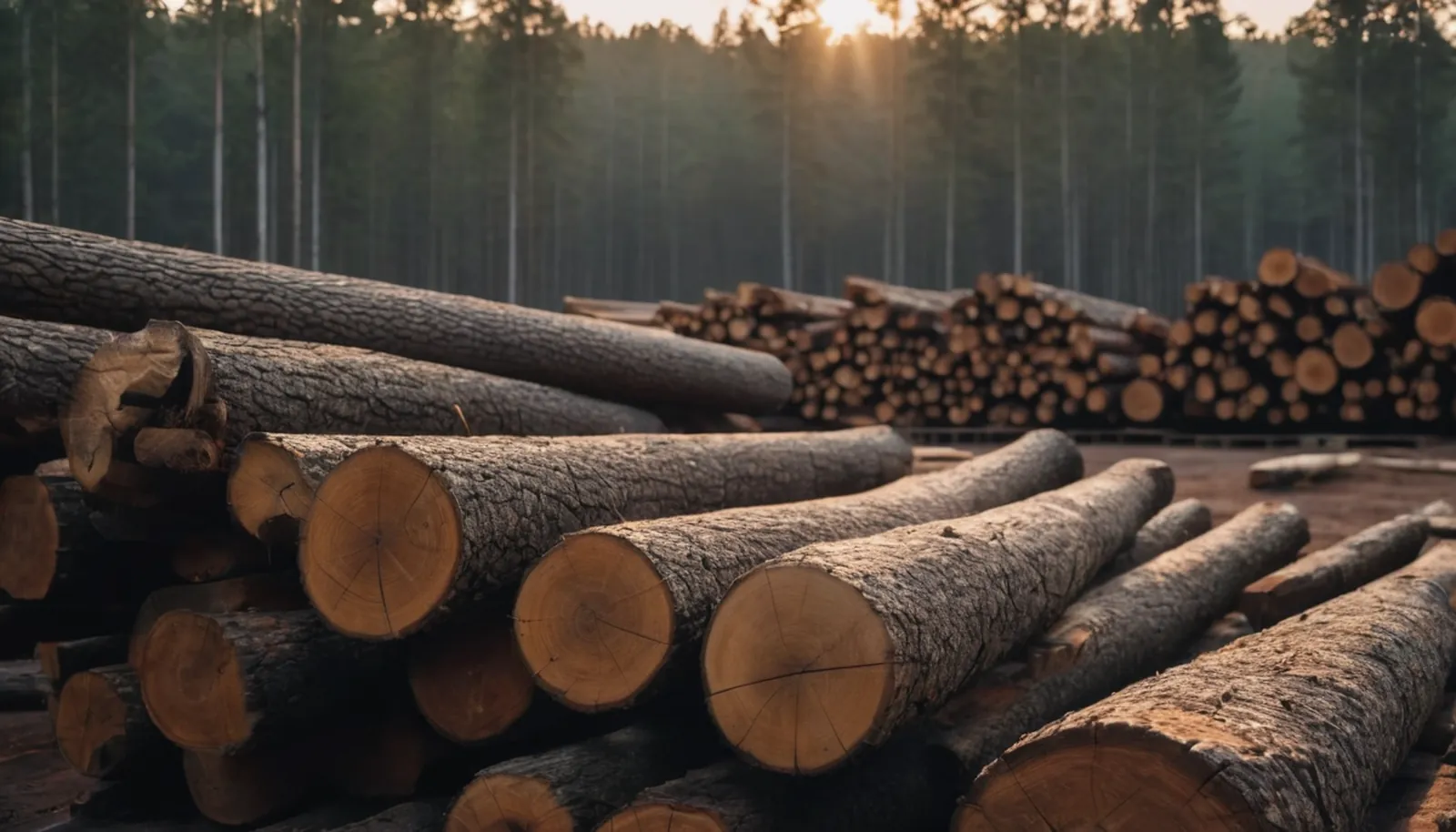
Timber import and export from responsible sources

We broker roundwood, sawn timber, panels and wood pellets between sawmills, producers, importers and processors, with documented, legal origin.

In brief

Products: logs, sawn softwood and hardwood, plywood and panels, wood pellets and pallets.

Legal origin and traceability are documented for every shipment.

Timber placed on the EU market is subject to due diligence obligations, which the EU Deforestation Regulation (EUDR) extends.

What do you need to import timber into the EU?

Anyone placing timber on the EU market must prove that it was harvested legally. Under the EUDR, operators must also show that wood products do not come from land deforested after 31 December 2020.

In practice, this requires geolocation data of the harvesting area, documents on legality and a due diligence statement. We select suppliers who can provide this information. Current application dates: European Commission, EUDR.
What is the difference between KD and AD timber?

KD (kiln dried) timber is dried in a kiln to a defined moisture content, typically 8–18%. AD (air dried) timber is dried naturally and usually has a higher, less uniform moisture content.

For construction and joinery, kiln-dried timber is the standard. Moisture content and grading are part of the contract specification and are confirmed at inspection.

What does ENplus® A1 mean for wood pellets?

ENplus® A1 is the highest quality class of the international ENplus® certification for wood pellets, with strict limits on ash content, moisture and mechanical durability.

Industrial pellets for power plants follow other specifications. We clarify the intended use before choosing a supplier.

Last updated: October 2026This page provides general information about trade practice. It is not legal, tax or investment advice.

Timber

Typical products

ProductSpecification
Logs (roundwood)Softwood and hardwood, sorted by diameter and quality class
Sawn timberPine, spruce, oak, beech and tropical species from legal sources, kiln-dried (KD)
Plywood and panelsBirch, poplar and pine plywood, OSB, MDF
Wood pellets6 mm, ENplus® A1 or industrial quality
Pallets and packaging timberEPAL / ISPM 15 treated
FAQ

Frequently asked questions

Commodity trading questions, answered

Do you supply certified timber (FSC®, PEFC)?

Yes, on request. Certification is specified in the contract and evidenced by the supplier’s chain-of-custody certificate.

How is timber shipped?

Sawn timber and panels usually travel in 40-foot containers; logs and large volumes also as break bulk. Pellets are shipped in bulk, big bags or 15 kg bags.

Can you supply timber to destinations outside the EU?

Yes. We broker timber to North Africa, the Middle East and other markets and clarify the phytosanitary requirements of the destination.

What is the difference between hardwood and softwood?

Hardwood comes from broad-leaved trees such as oak or beech, softwood from conifers such as pine or spruce. The terms describe the botanical group, not necessarily the hardness of the wood.

What does the EUDR require from timber importers?

Operators must collect information on the product, including the geolocation of the harvest area, assess the risk of deforestation and illegality and submit a due diligence statement before placing the product on the EU market. The application dates have been postponed, so the current timetable should be checked.

What is a FLEGT licence?

A FLEGT licence is issued by a partner country under a Voluntary Partnership Agreement with the EU and confirms the legality of timber exports.

Do some timber species need CITES permits?

Yes. Trade in species listed under CITES, including certain tropical hardwoods, requires export and, depending on the listing, import permits. We check the species status before any offer.

What are ENplus® A2 and industrial pellets?

ENplus® A2 is a premium pellet class with slightly higher permitted ash content than A1. Industrial pellets for power plants are often specified according to ISO 17225-2 classes I1 to I3.

Are there safety rules for shipping wood pellets in bulk?

Yes. Wood pellets in bulk can release carbon monoxide and deplete oxygen in closed holds and are covered by the IMSBC Code. Ventilation and gas measurements before entering holds are essential.

What is the difference between plywood, OSB and MDF?

Plywood consists of glued veneer layers, OSB of oriented wood strands and MDF of wood fibres pressed with resin. They differ in strength, surface and typical use, from construction to furniture.

How do you choose timber suppliers for import?

Check that the supplier can document legal harvest and origin, meet the required species, grade, dimensions and moisture content, and provide certification if needed. For imports into the EU, the supplier must also deliver the information required for EUDR due diligence.

Contact

Do you have a requirement or an offer?

Tell us the product, specification, quantity, delivery window and destination port. We will reply personally with the next steps.

Request an offer
Request an offer