
ANDALUCIAPREMIUM
Request an offer
FertilizersSteelPrecious metalsTimberPetroleum products GuidesFAQHow we workAbout usContact Request an offer
ENESDE
Steel
  1. Home
  2. Sectors
  3. Steel
Sector · Steel

Steel trading for construction and industry

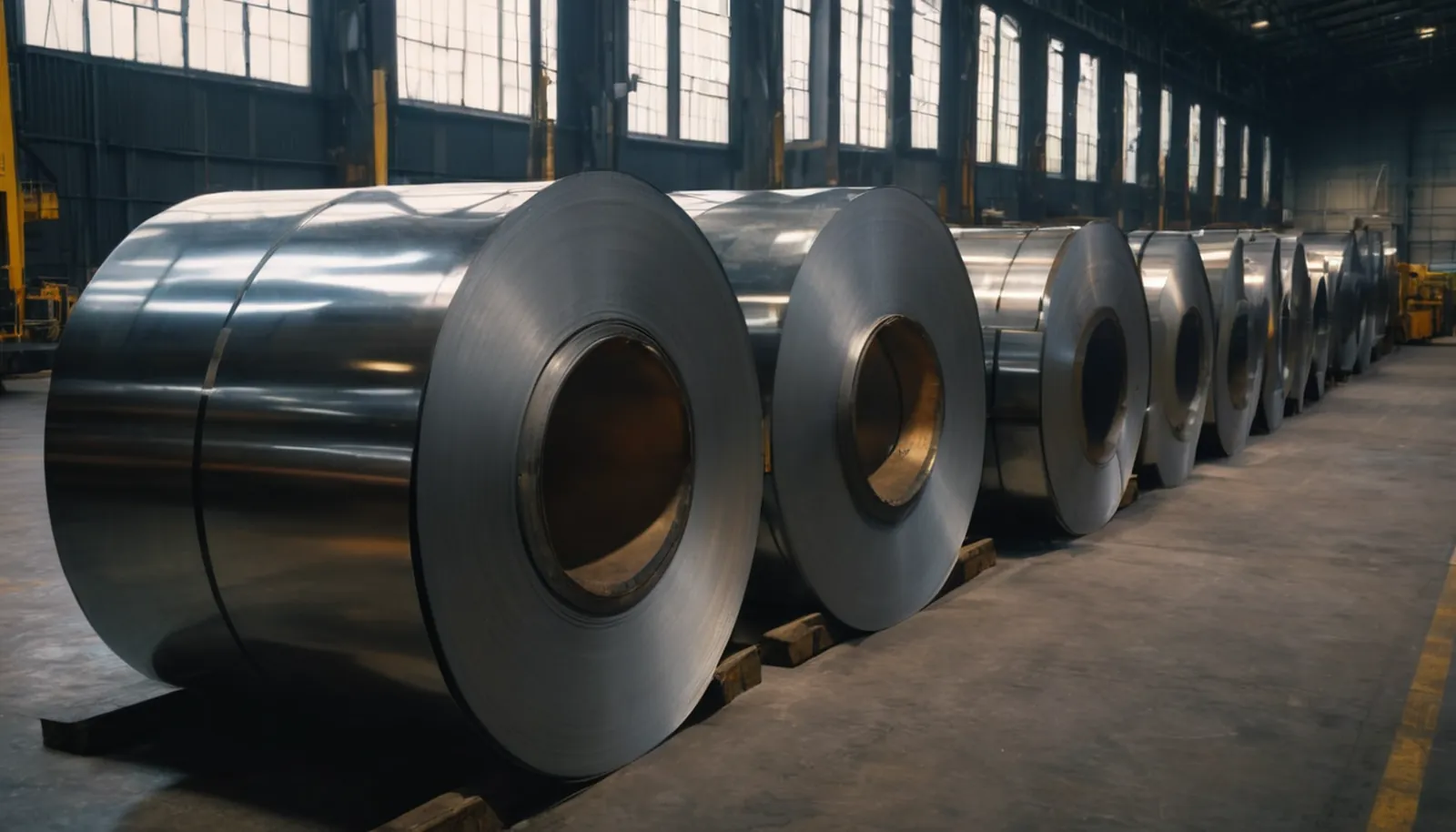
We broker flat and long steel products and steel scrap between mills, stockholders, traders and industrial buyers in Europe, North Africa and the Middle East.

In brief

Flat products: hot and cold rolled coils, galvanized and pre-painted sheet.

Long products: rebar, wire rod, billets, beams and sections; also HMS 1&2 scrap.

Each delivery is accompanied by mill test certificates; since 2026, iron and steel imports into the EU have been subject to CBAM.

How do you import steel into the EU?

Steel is bought by contract from a mill or trader, inspected at loading and shipped as break bulk or in containers. EU importers must take into account customs duties, tariff quotas and, since 2026, CBAM obligations.

The EU applies trade defence measures with tariff quotas to many steel products. Whether a quota is still available on arrival can decide the cost of a shipment, so we clarify the regulatory situation before contracting.

What is a mill test certificate?

A mill test certificate (according to EN 10204, usually type 3.1) documents the chemical composition and mechanical properties of a specific steel batch, issued by the producing mill.

For construction steel, certificates and the marking of the product must match the applicable national standard of the destination country. We check that the certificate references the heats that are actually loaded.

How does CBAM affect steel imports?

Since 1 January 2026, EU importers of iron and steel must account for the embedded CO₂ emissions of these goods under the Carbon Border Adjustment Mechanism and surrender CBAM certificates for them.

This makes the emission data of the producing mill a commercial factor. Information on current rules: European Commission, CBAM.

Last updated: October 2026This page provides general information about trade practice. It is not legal, tax or investment advice.

Steel

Typical products

ProductSpecification
Hot rolled coils (HRC)e.g. S235JR, S275JR, S355J2 according to EN 10025, 1.5–25 mm
Cold rolled and galvanized coilsDC01–DC04, DX51D+Z, also pre-painted (PPGI)
RebarB500B / B500C according to national standards, 8–32 mm
Billets and wire rodBillets 120–150 mm, wire rod SAE 1006/1008, 5.5–12 mm
Beams and sectionsIPE, HEA, HEB, UPN, angles
Steel scrapHMS 1&2 80:20, shredded scrap
FAQ

Frequently asked questions

Commodity trading questions, answered

Can you supply steel to destinations outside the EU?

Yes. We broker steel to North Africa, the Middle East and other regions as well. Applicable import rules of the destination country are clarified before contracting.

Do you also broker steel scrap?

Yes. We broker steel scrap such as HMS 1&2 between collectors, exporters and mills. Quality is confirmed by independent inspection at loading.

How long does a steel order take?

From stock, a few weeks; from mill production, usually one to three months plus transit time. The exact delivery window is fixed in the contract.

What does S355J2 mean?

S355J2 is a structural steel grade under EN 10025-2: “S” stands for structural steel, 355 for the minimum yield strength in MPa at lower thicknesses and J2 for the impact test at –20 °C.

What is the difference between B500B and B500C rebar?

Both have a characteristic yield strength of 500 MPa. B500C has higher ductility requirements than B500B and is often specified where more ductility is needed, for example in seismic zones.

What is the difference between HRC and CRC?

Hot rolled coil (HRC) is rolled at high temperature and has a scaled surface, while cold rolled coil (CRC) is further rolled at room temperature for tighter tolerances and a smoother surface. CRC is often the base for galvanized or pre-painted coils.

What is PPGI?

PPGI stands for pre-painted galvanized iron, a galvanized steel coil with an organic coating. It is widely used for roofing, cladding and appliances.

What does HMS 1&2 80:20 mean?

HMS stands for heavy melting scrap. The ratio 80:20 describes a mix of 80% HMS 1 and 20% HMS 2, the two grades differing mainly in thickness and size of the pieces.

What are EU steel safeguard measures?

The EU limits imports of many steel products through tariff quotas, with duties applied once a quota is exhausted, and the regime is being reformed. Current quotas and duties should be checked for each product and origin before contracting.

How is steel packed for shipment?

Coils are usually strapped and, depending on the product, protected against moisture; rebar and sections are shipped in bundles. Packing and marking requirements should be part of the contract.

What is rebar steel?

Rebar (reinforcing bar) is steel bar with a ribbed surface that is cast into concrete to take tensile forces. It is specified by diameter and grade, for example B500B or B500C, and delivered in straight bars or coils.

Guides

Related guides

All guides

Contact

Do you have a requirement or an offer?

Tell us the product, specification, quantity, delivery window and destination port. We will reply personally with the next steps.

Request an offer
Request an offer