
ANDALUCIAPREMIUM
Request an offer
FertilizersSteelPrecious metalsTimberPetroleum products GuidesFAQHow we workAbout usContact Request an offer
ENESDE
Precious metals
  1. Home
  2. Sectors
  3. Precious metals
Sector · Precious metals

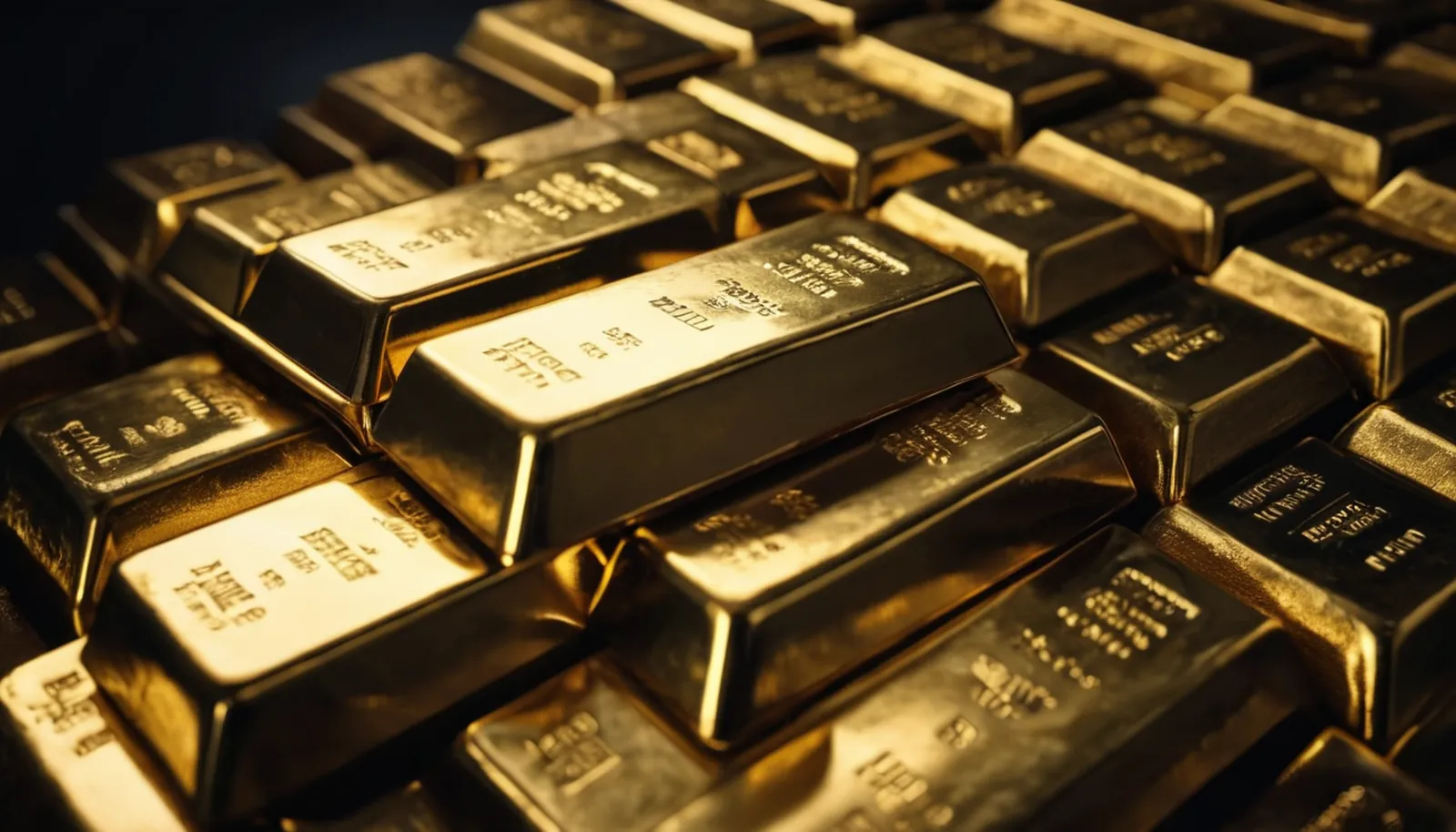
Physical gold and precious metals with documented provenance

We broker physical gold, silver, platinum and palladium between verified institutional counterparties, with documented origin, assay certificates and secure logistics.

In brief

Physical metal only: bars and granules from recognized refineries, doré only with full chain-of-custody documents.

Strict KYC and anti-money-laundering checks on both sides before any commercial document is exchanged.

Transfer under secure logistics with assay and weight confirmation.

How do you buy physical gold in large quantities?

Institutional buyers purchase physical gold by contract from refineries, banks or wholesalers. After verification of both parties, the metal is assayed, weighed and handed over in a secure vault or delivered by an armoured carrier.

The market standard for large bars is the London Good Delivery specification of the LBMA. We work only with counterparties who can document the origin of the metal, and we do not take part in transactions that cannot be verified.
What is responsible sourcing of precious metals?

Responsible sourcing means that the origin of a metal is documented along the entire supply chain and that it does not come from conflict areas, illegal mining or money laundering.

The internationally recognized reference is the OECD Due Diligence Guidance. In the EU, the Conflict Minerals Regulation also applies to importers of gold above certain thresholds.

How can you spot a fraudulent gold offer?

Warning signs include prices far below market, requests for upfront fees, missing assay or origin documents, time pressure and counterparties that refuse identification.

Serious transactions start with a verification of both sides and end with an assay and a documented handover. If an offer skips these steps, we do not pursue it.

Last updated: October 2026This page provides general information about trade practice. It is not legal, tax or investment advice.

Precious metals

Typical products

ProductSpecification
GoldBars of 1 kg and approx. 400 oz (approx. 12.4 kg), fineness 995–999.9
SilverBars of approx. 1,000 oz and granules, fineness 999
Platinum and palladiumPlates and ingots, fineness 999.5
DoréOnly with full documentation of origin, export licence and assay
FAQ

Frequently asked questions

Commodity trading questions, answered

Do you sell precious metals to private investors?

No. We work exclusively with companies and institutional counterparties that pass our verification.

Where does the handover of the metal take place?

Usually in a recognized high-security vault or at the buyer’s refinery. Location, logistics and insurance are fixed in the contract.

Do you deal in gold doré?

Only if origin, export licence, assay and the complete chain of custody are documented and verifiable.

What is the standard size of an LBMA gold bar?

An LBMA Good Delivery gold bar weighs between 350 and 430 troy ounces, typically around 400 oz, with a minimum fineness of 995.0. Kilobars are also widely traded outside the Good Delivery standard.

What is the LBMA Good Delivery standard for silver?

Good Delivery silver bars weigh between 750 and 1,100 troy ounces, typically around 1,000 oz, with a minimum fineness of 999.0. They must come from an LBMA-accredited refiner.

What is a chain of custody for gold?

A chain of custody documents every step a metal takes from mine or recycling source through refining, transport and storage to the buyer. It is central to proving responsible and legal origin.

Which guidance applies to responsible gold sourcing?

Key references are the OECD Due Diligence Guidance for responsible mineral supply chains and the LBMA Responsible Gold Guidance. In the EU, importers of gold above certain thresholds are also subject to the Conflict Minerals Regulation (EU) 2017/821.

Can gold of Russian origin be traded in the EU?

No. The EU has prohibited the import, purchase and transfer of gold originating in Russia, and Russian refiners were removed from the LBMA Good Delivery list in 2022. We do not broker such metal.

How is physical gold transported?

Usually by specialised secure logistics companies and insured couriers, often between vaults or refineries. Transport, insurance and handover are fixed in the contract.

Is investment gold subject to VAT in the EU?

The EU VAT Directive contains a special scheme under which supplies of investment gold meeting certain criteria are generally exempt. Silver, platinum and palladium are usually taxable; please ask your tax adviser about your case.

How are precious metals trading prices determined?

Wholesale prices refer to benchmarks such as the LBMA Gold Price and LBMA Silver Price, with premiums or discounts for bar size, fineness, location and delivery. We do not publish prices; they are agreed per verified transaction.

Guides

Related guides

All guides

01

What is a commodity broker and what does a commodity broker do?

Commodity broker meaning, the tasks of a physical commodity broker, how brokerage charges usually work and broker vs trader.

Read the guide
07

Precious metals: list, trading and physical purchase

The eight precious metals, how precious metals trading works, physical vs paper metal and how companies buy physical bars.

Read the guide
08

Precious metals prices explained: spot, LBMA benchmarks, premiums and bar formats

Spot price, LBMA benchmarks, troy ounce conversion, bid/ask, premiums by bar format, doré discounts and price clauses.

Read the guide
12

How an international commodity deal works

The typical sequence of a brokered commodity transaction, the role of each party and why the order of the steps matters.

Read the guide
13

Commodity scams: warning signs every buyer should know

How SBLC and MT760 schemes, fake EN 590 and Jet A-1 procedures and advance-fee tricks work, and how to protect yourself.

Read the guide
14

Letter of credit, SBLC, escrow and TT: paying for commodities

How letters of credit, standby letters of credit, documentary collections, escrow and bank transfers secure payment in commodity deals.

Read the guide
15

LOI, ICPO, FCO, SPA and POP: documents and red flags

What LOI, ICPO, FCO, SPA and POP mean, how genuine transactions use them and how to recognise fraudulent offers.

Read the guide
16

KYC and compliance in commodity trading

What a know-your-customer check covers, which documents are needed and how sanctions screening works in commodity trade.

Read the guide
17

Inspection and certificates in commodity trade

Who inspects bulk cargoes, how quality and quantity are measured and what COA, COO and inspection certificates prove.

Read the guide
Contact

Do you have a requirement or an offer?

Tell us the product, specification, quantity, delivery window and destination port. We will reply personally with the next steps.

Request an offer
Request an offer